World Health Day: Why First Aid and CPR Skills Matter More Than Ever
Yesterday was World Health Day, and every year it serves as a powerful reminder of the importance of global wellbeing. Led by the World Health Organisation, this day highlights key health priorities and encourages individuals, communities, and organisations to act toward healthier lives.
At PADI RTO, we believe that health is not just about prevention. It is about preparedness. Knowing what to do in a critical moment can make the difference between life and death.
Health Starts with Preparedness
While we often focus on diet, exercise, and mental wellbeing, one of the most overlooked aspects of health is emergency readiness. Accidents and medical emergencies can happen anywhere, whether at home, work, school, or in the water.
Learning first aid and CPR empowers individuals to respond confidently in these situations. It shifts people from being bystanders to becoming immediate responders.
In Australia, cardiac arrest remains one of the leading causes of death. Immediate CPR can significantly increase a person’s chance of survival, especially if performed before emergency services arrive. Yet many people still lack the training or confidence to act.
Why CPR and First Aid Matter
Cardiopulmonary resuscitation, commonly known as CPR, is a life-saving technique used when someone’s breathing or heartbeat has stopped. Combined with basic first aid knowledge, it forms the foundation of emergency response.
Here is why these skills are essential:
1. Every second counts
Brain damage can begin within minutes of oxygen deprivation. Early CPR helps maintain blood flow and oxygen to vital organs.
2. You are often the first responder
In many emergencies, the first person on the scene is not a medical professional. It is a parent, colleague, or passerby.
3. Confidence saves lives
Training removes hesitation. When you know what to do, you are far more likely to step in and help.
Health Beyond the Clinic
World Health Day is also a reminder that healthcare does not only exist within hospitals. It lives within communities.
At PADI RTO, we see firsthand how education strengthens community resilience. Whether it is a parent learning how to respond to a choking child, a workplace preparing staff for emergencies, or a diver ensuring safety on a remote trip, first aid training builds a culture of care.
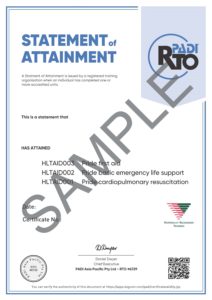
Our training programs are nationally recognised across Australia and designed to be practical, accessible, and relevant to real-life scenarios.
The Ripple Effect of Training
When one person becomes trained in first aid, the impact extends far beyond the individual.
- Families feel safer knowing someone can respond in an emergency
- Workplaces become more compliant and prepared
- Communities build stronger support systems
- Lives are saved through early intervention
This ripple effect aligns closely with the goals of World Health Day, which emphasise equitable access to healthcare knowledge and resources.
Taking Action This World Health Day
Improving global health does not always require large-scale change. Sometimes, it starts with one decision.
Learning CPR.
Understanding first aid basics.
Gaining the confidence to act.
These are small steps with life-changing impact.
At PADI RTO, we encourage individuals and organisations to use World Health Day as an opportunity to prioritise health preparedness. Investing in these skills is an investment in the safety of those around you.
A Healthier, Safer Future
Health is not only about living well. It is about being ready when it matters most.
Consider how you can contribute to a safer community with PADI RTO. Because in an emergency, the most important help is often already there.
And with the right training, that help could be you.
For more information please visit:
Courses – PADI RTO | Registered Training Organisation #6729
Tags: Diving, First Aid, Nationally Recognised Training, PADI, Provide First Aid, RTO Trainer, Training, World Health Day